Your Cart is Empty

"Oxygen Concentrator & Generator Specialists"
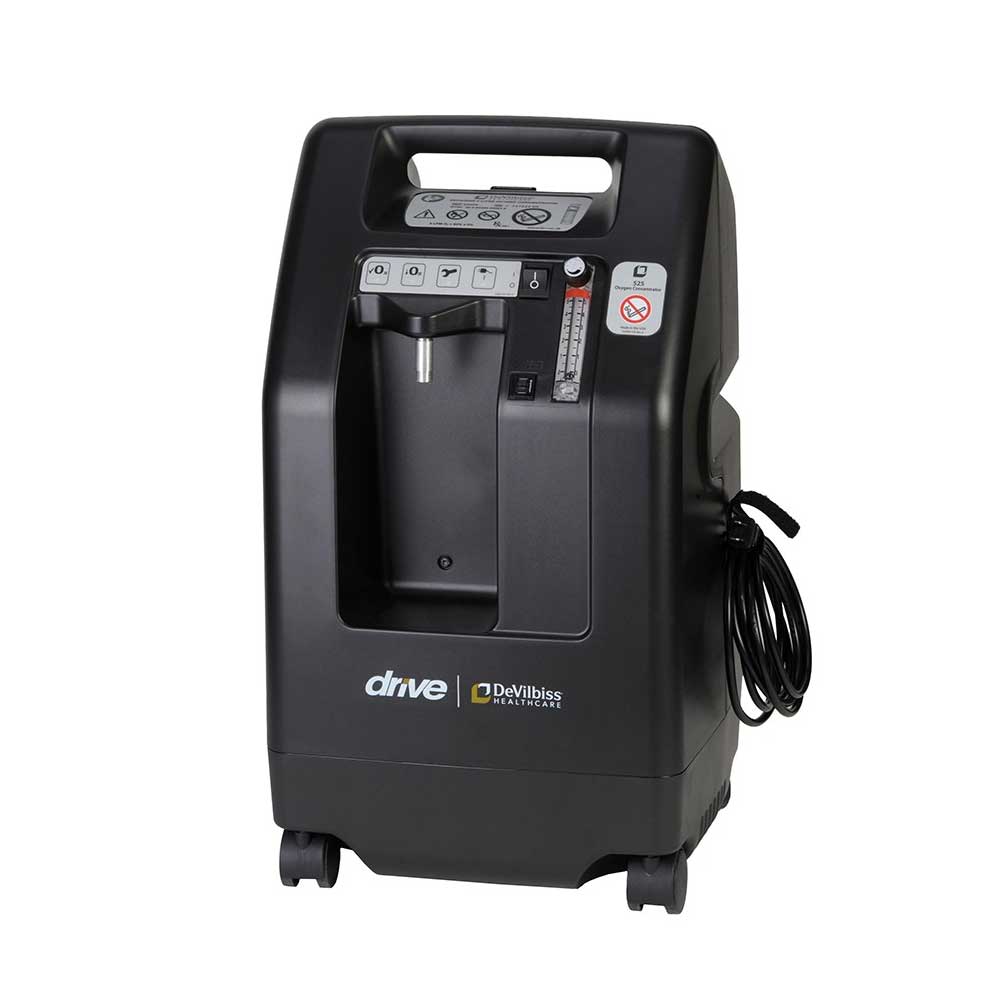
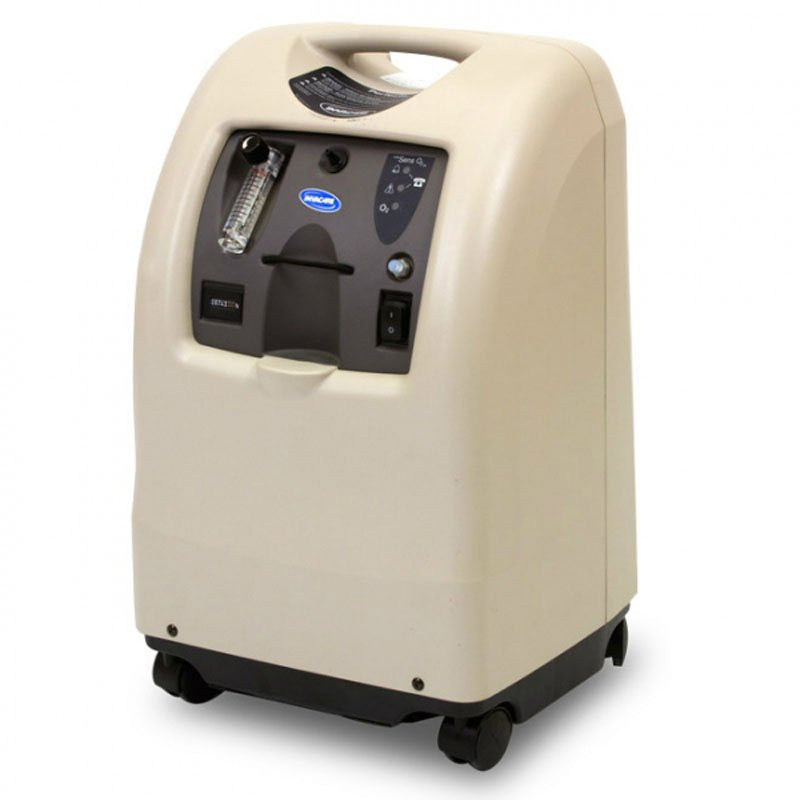
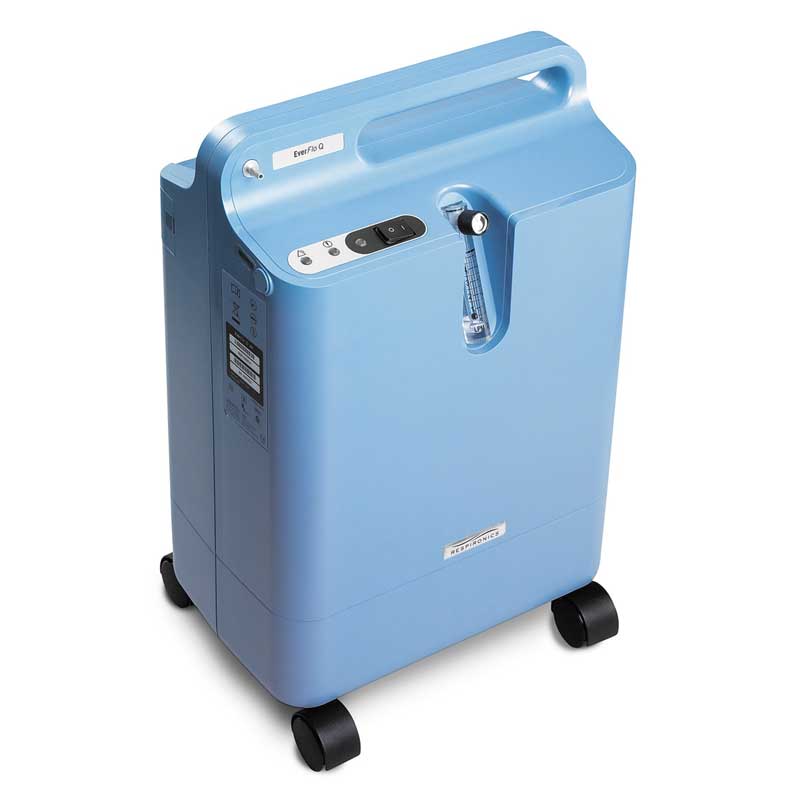
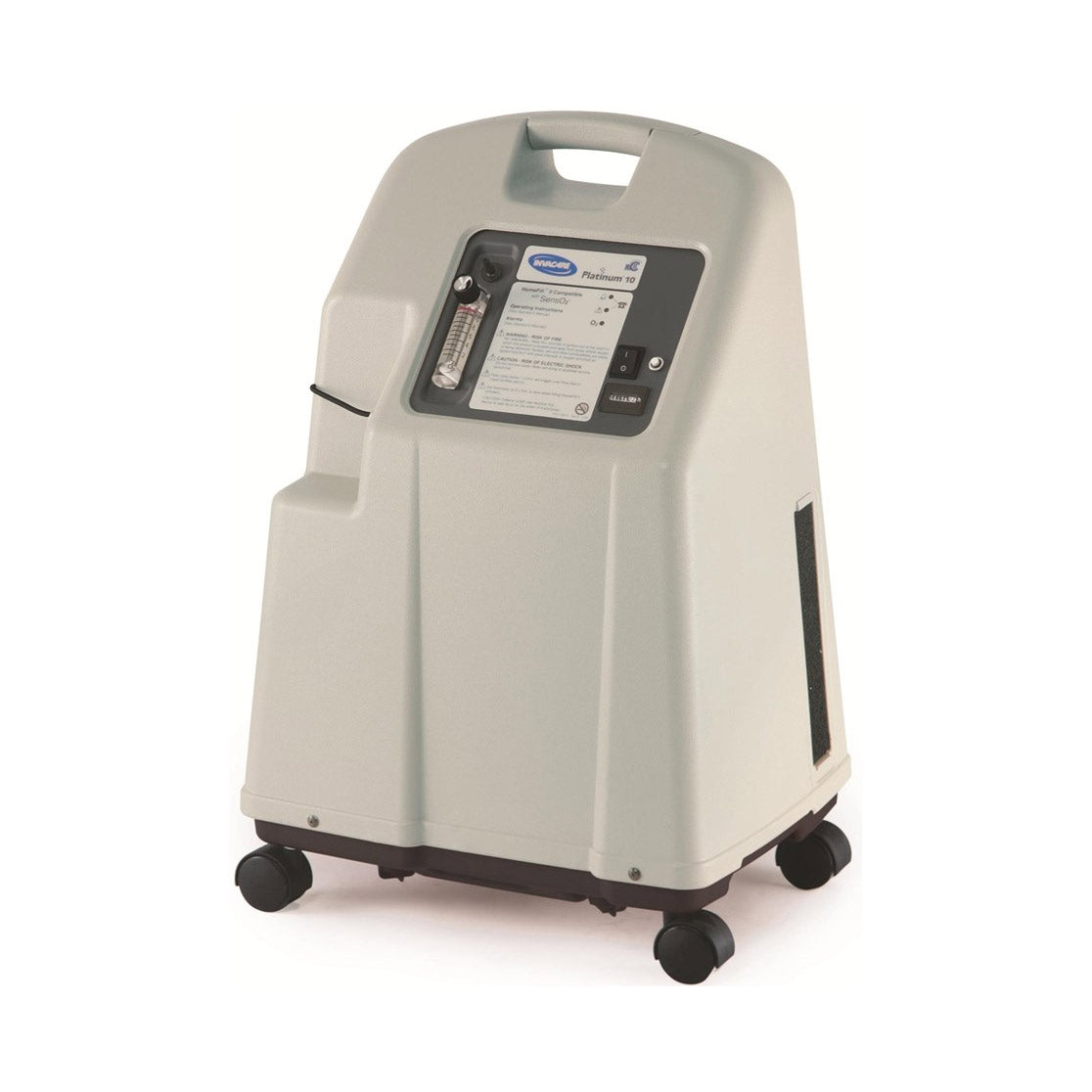
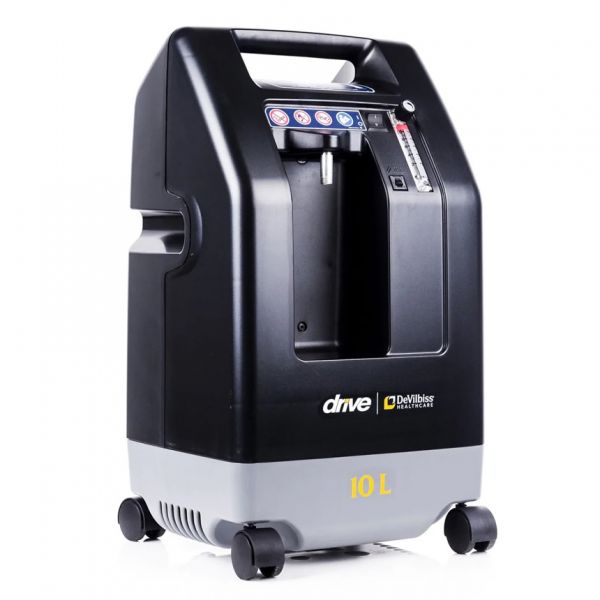
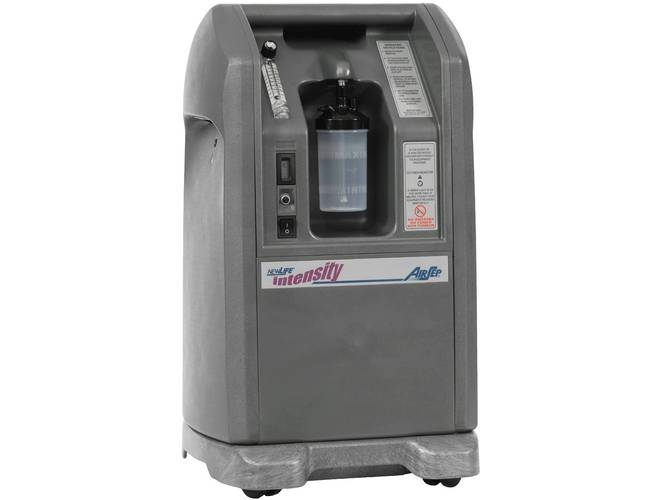
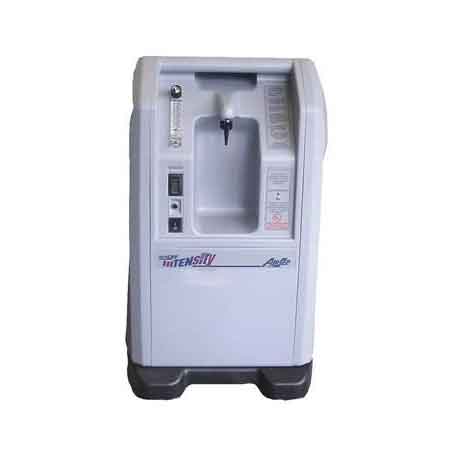
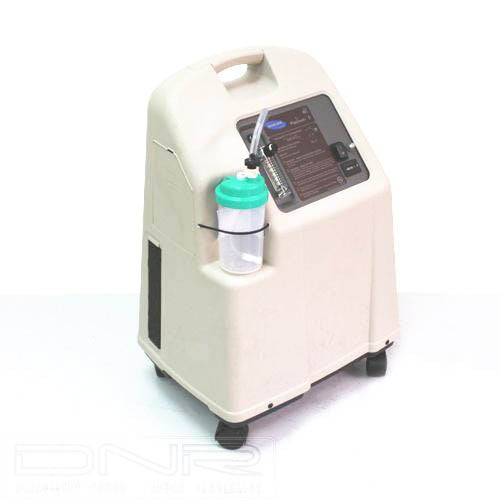
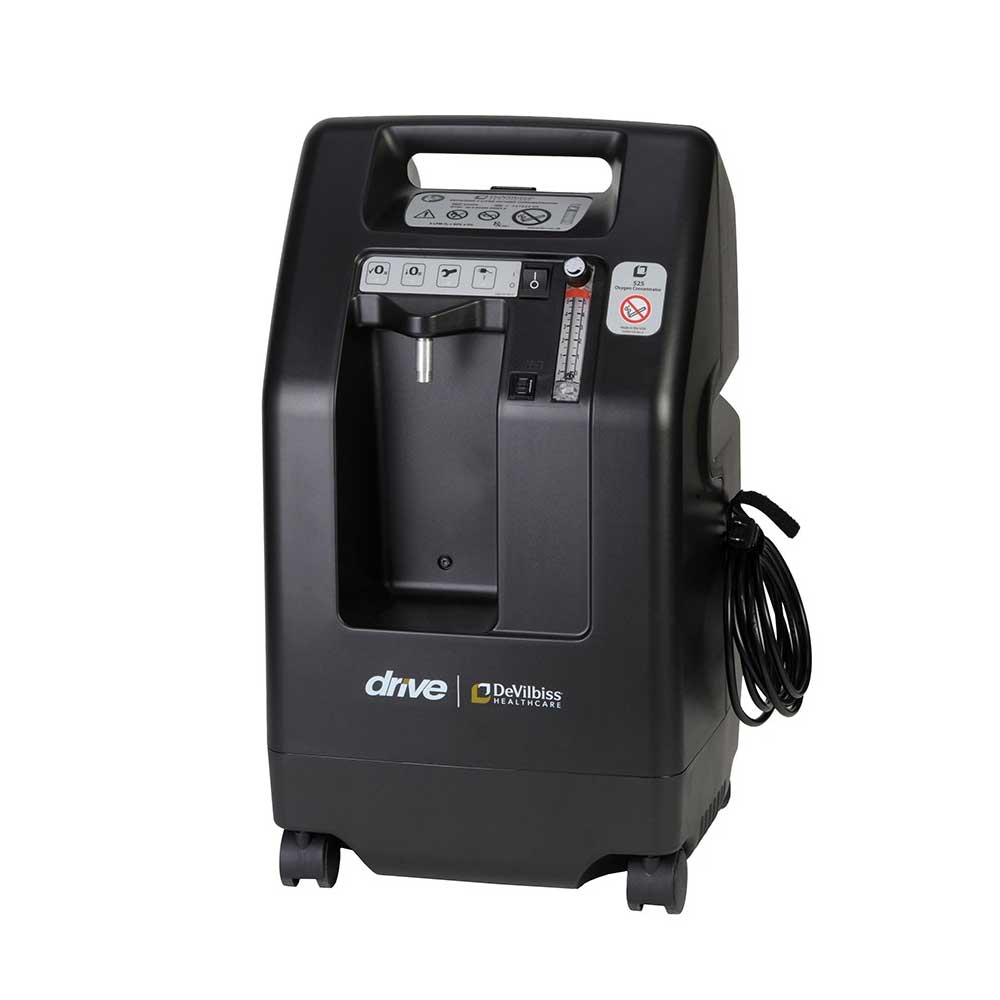
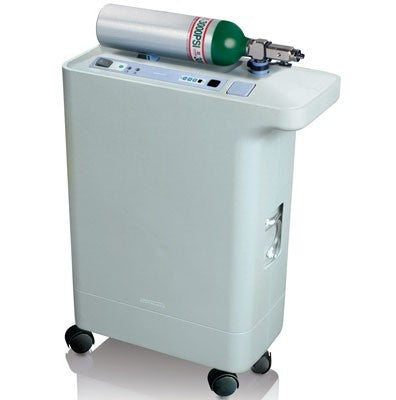
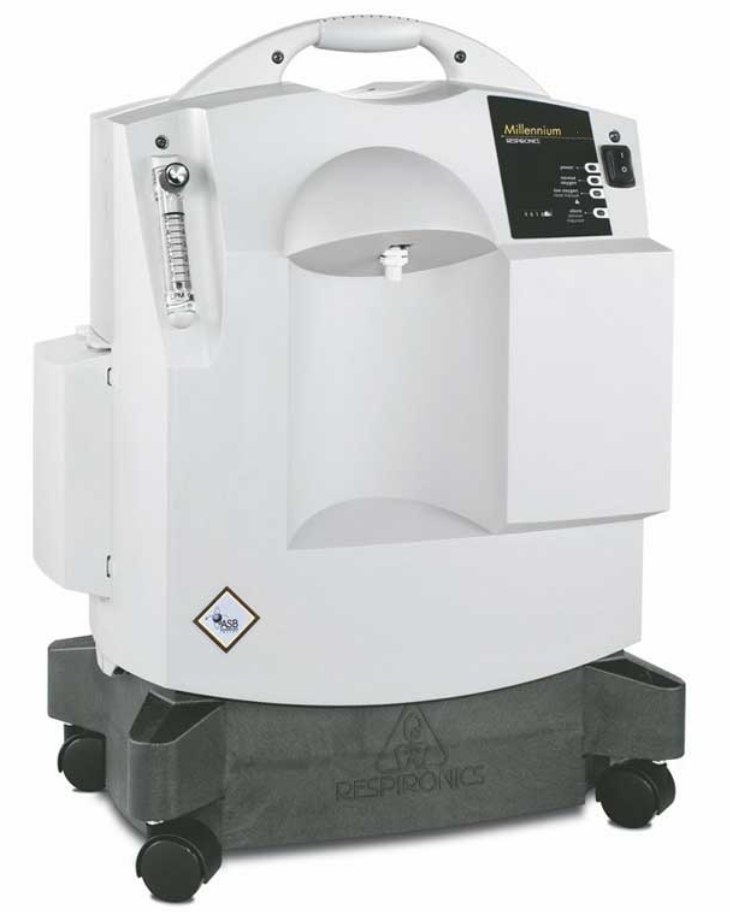
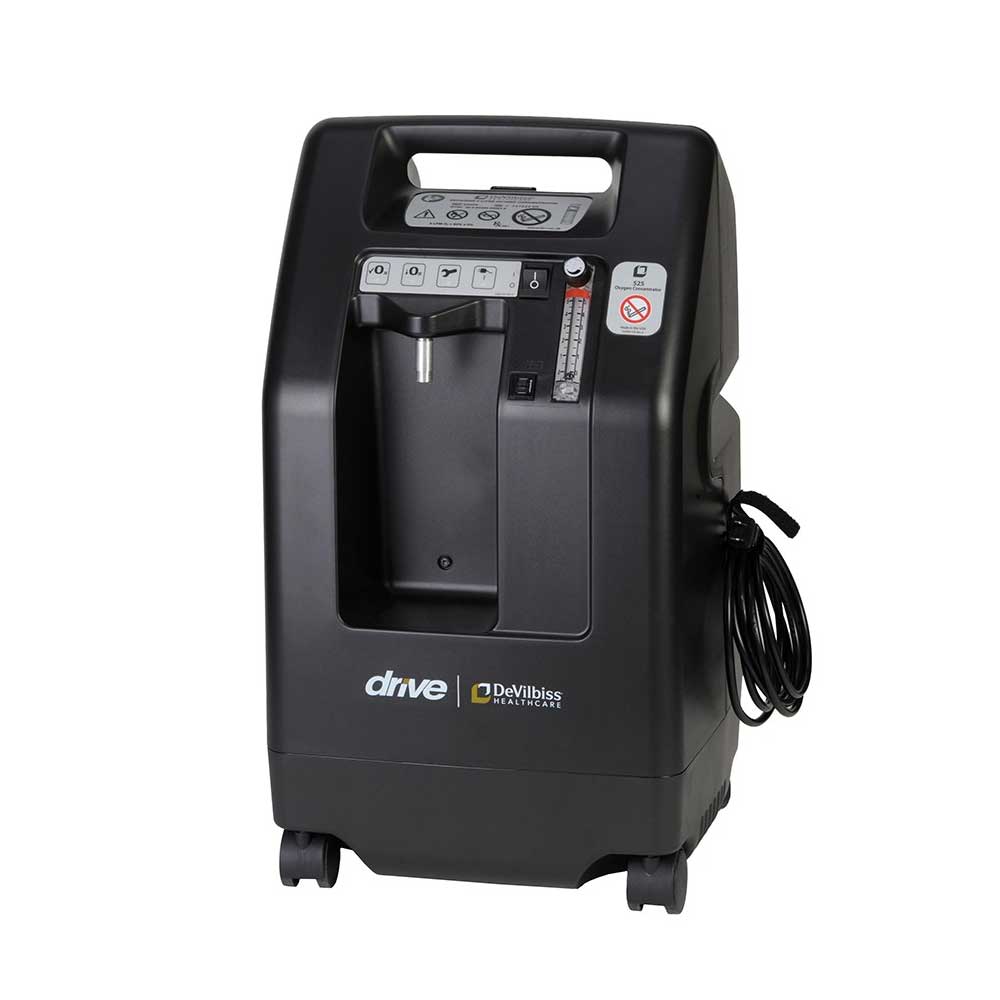
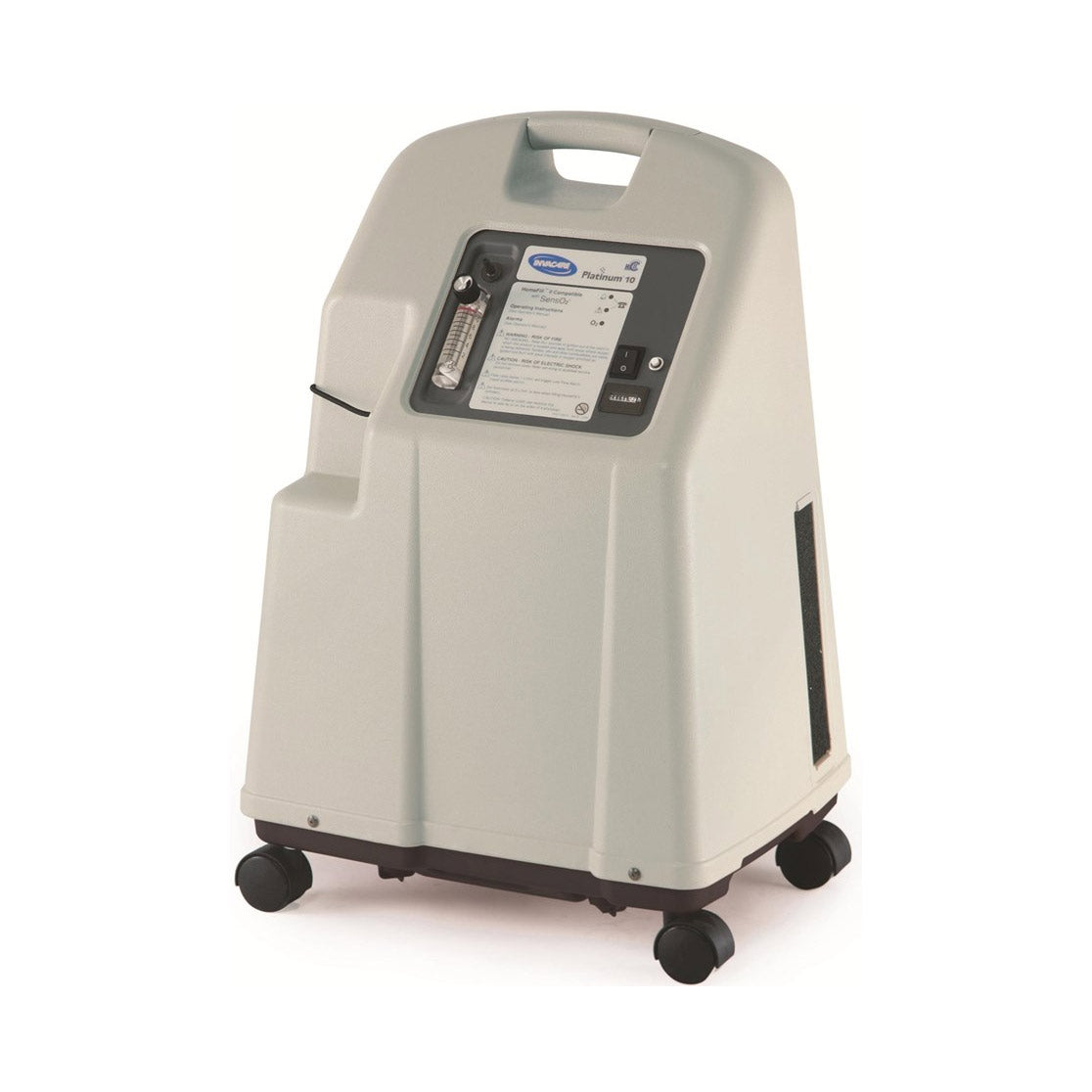
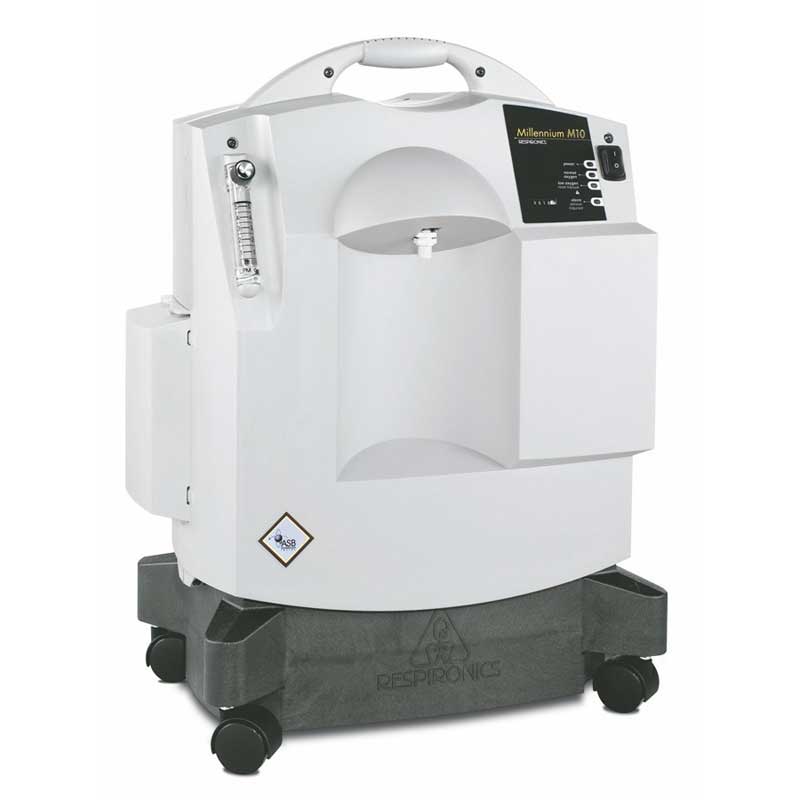
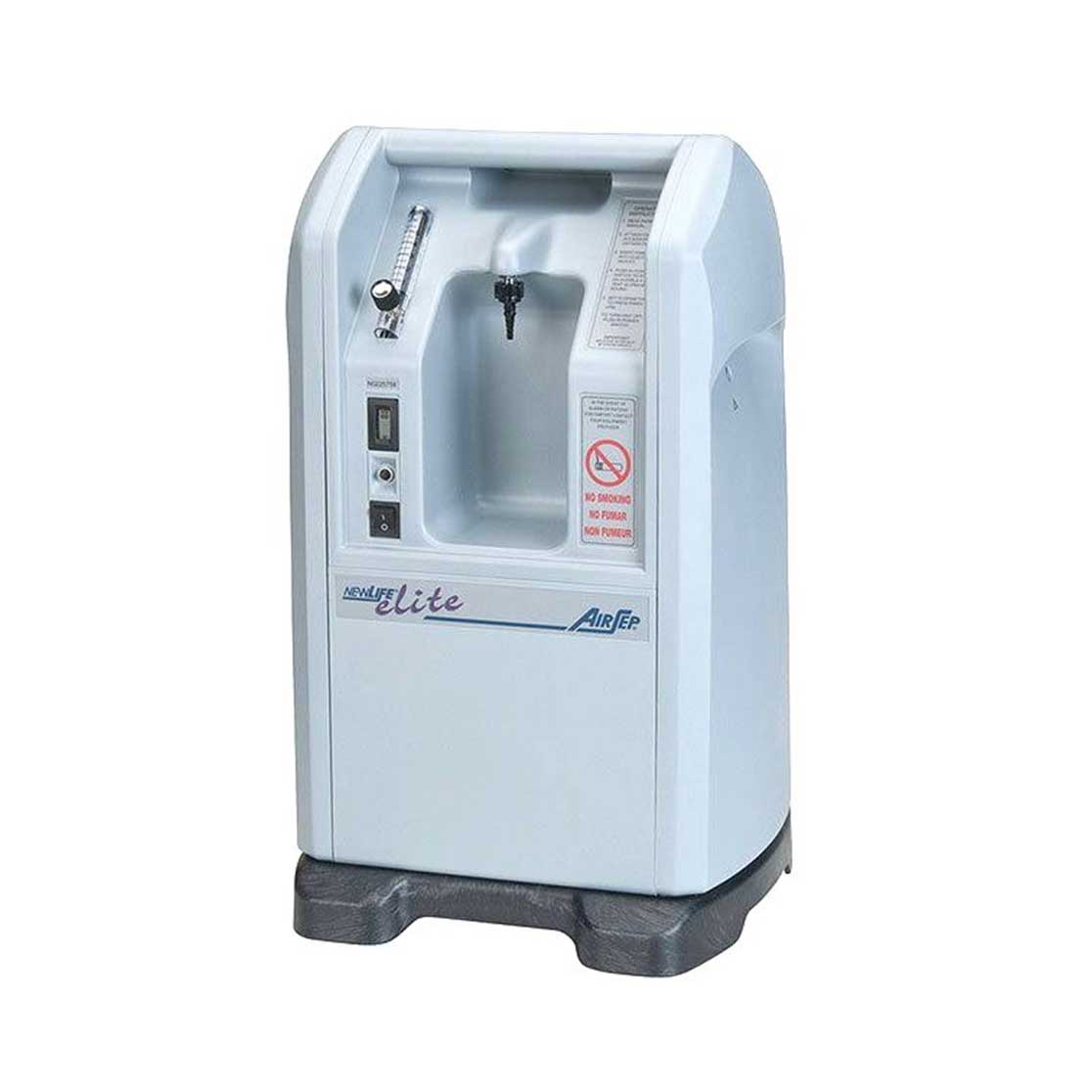
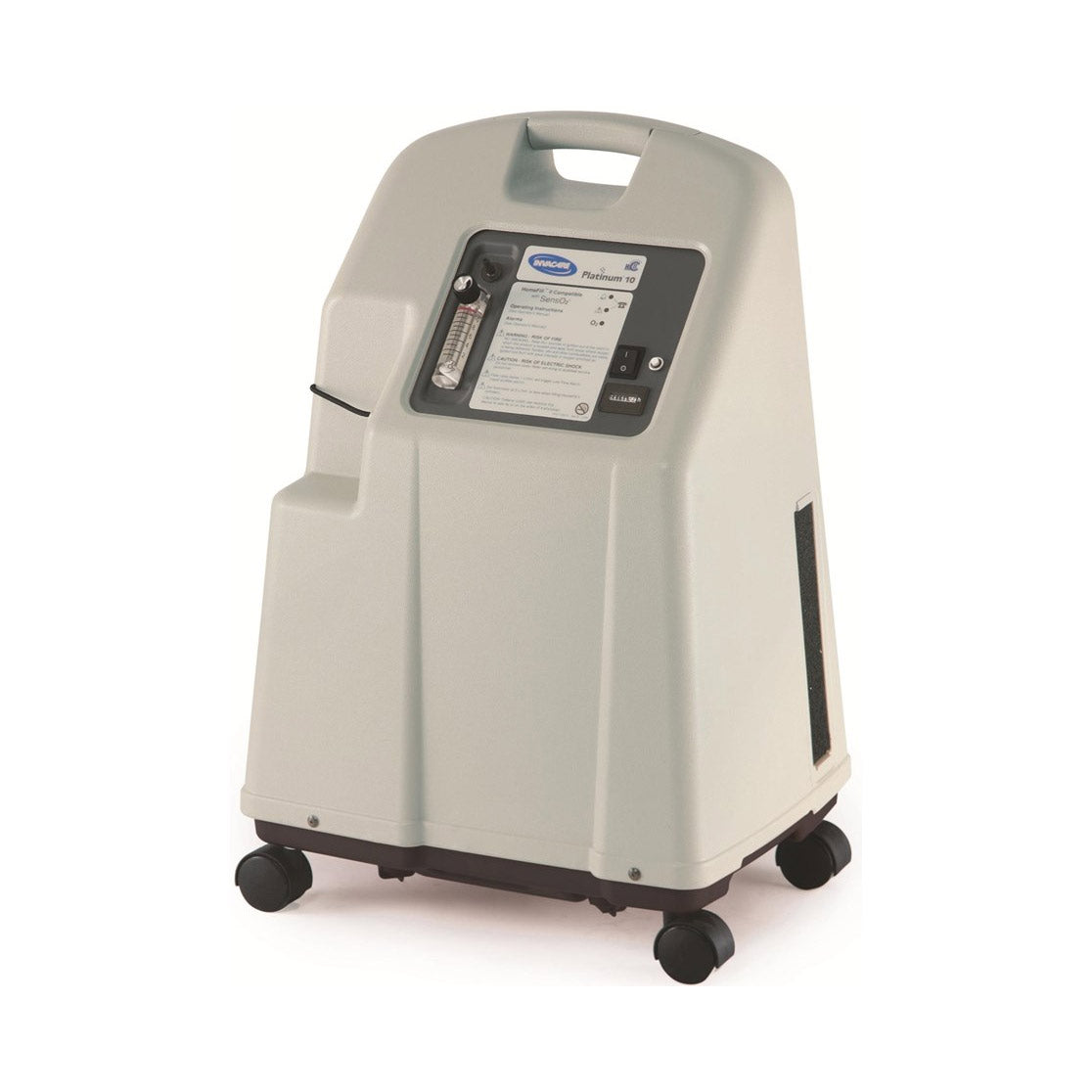
OxygenPlus Medical Systems Inc is globally recognized and respected with 1000's of units supplying oxygen to customers throughout the world. Because of our 30+ years of experience, dedication and knowledge in this field we have evolved into one of the most trusted resources of new, used and reconditioned oxygen concentrator systems & replacement parts for all models. Including Airsep, Invacare, Devilbiss, Respironics, Sequal & more, including a 1 year warranty parts and labor, with the option to purchase an extended warranty. Our knowledgeable staff will provide outstanding customer service to you while answering any and all of your questions honestly and unbiased in regards to used and reconditioned oxygen concentrators and generators whether they are related to EWOT (Exercise with Oxygen Therapy), lampworking, glass bead making, ozone therapy, hyperbaric chambers, respiratory applications and much more.
OxygenPlus is a leader in reconditioned Oxygen Concentrators.
Having been in business for over 30 years, we have the experience and training needed to offer a quality reconditioned Oxygen Concentrator at an extremely competitive price.
Our staff is factory trained in all makes and models that we offer for sale. We use quality replacement parts that can stand the rigors of daily use. We pride ourselves with using high quality replacement parts and supplies sourced from USA suppliers to ensure everything we service will receive the highest quality repairs.
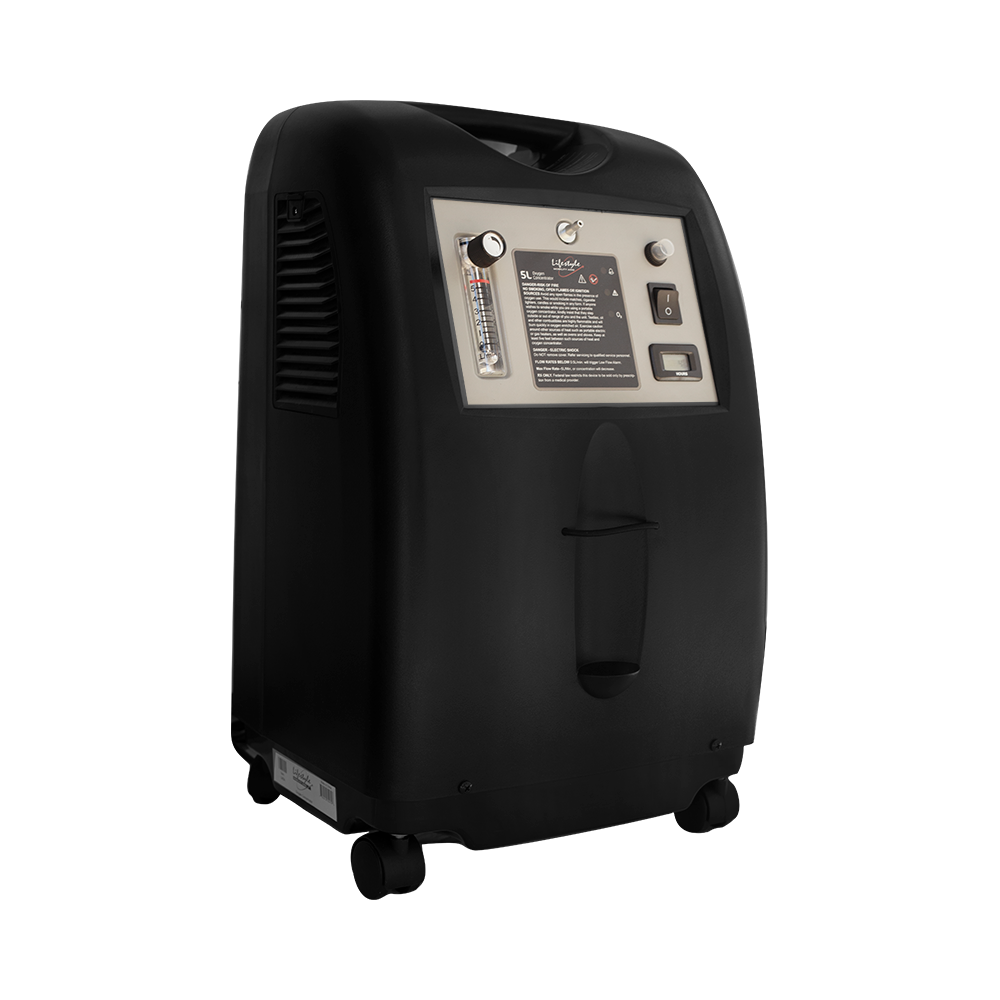
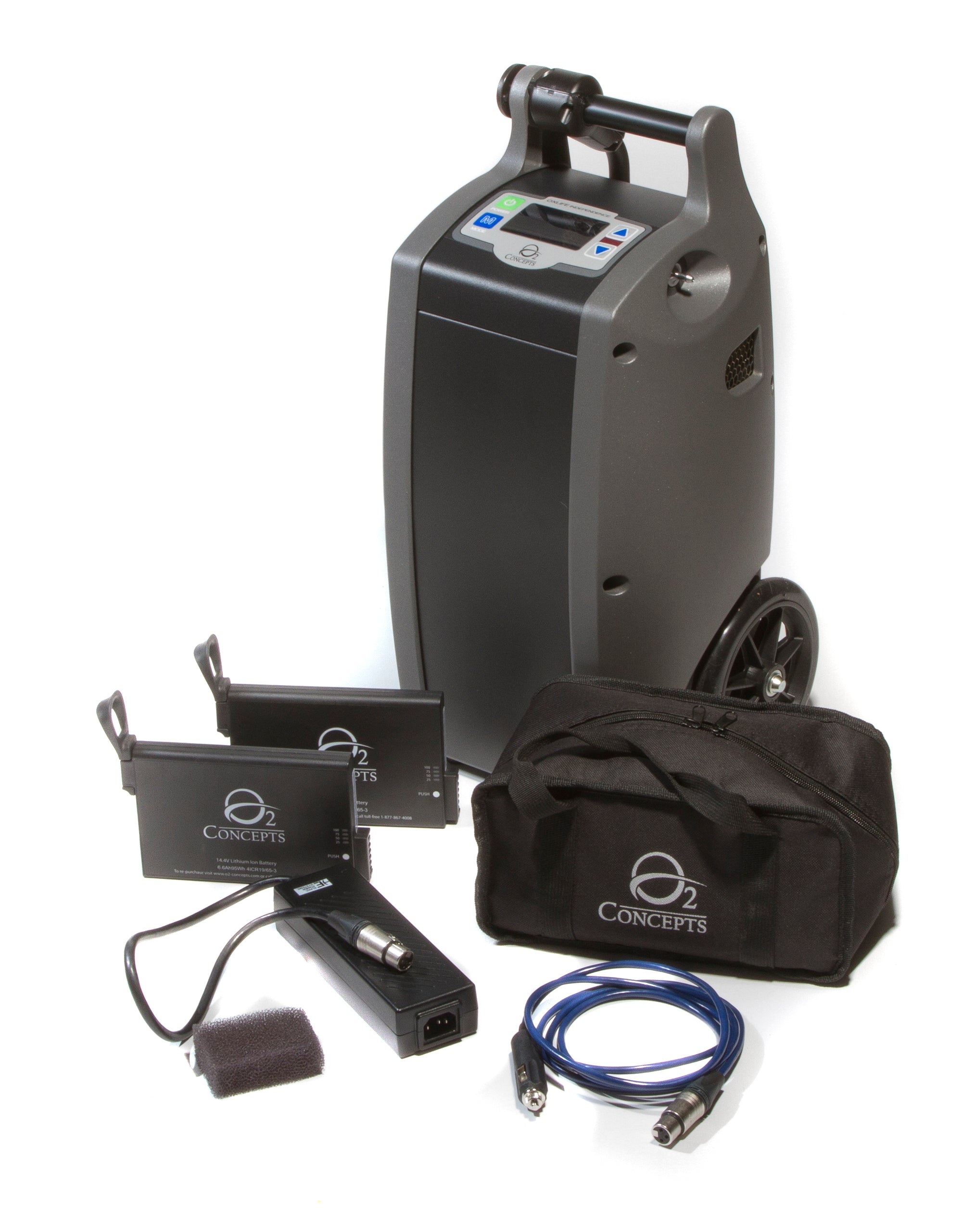
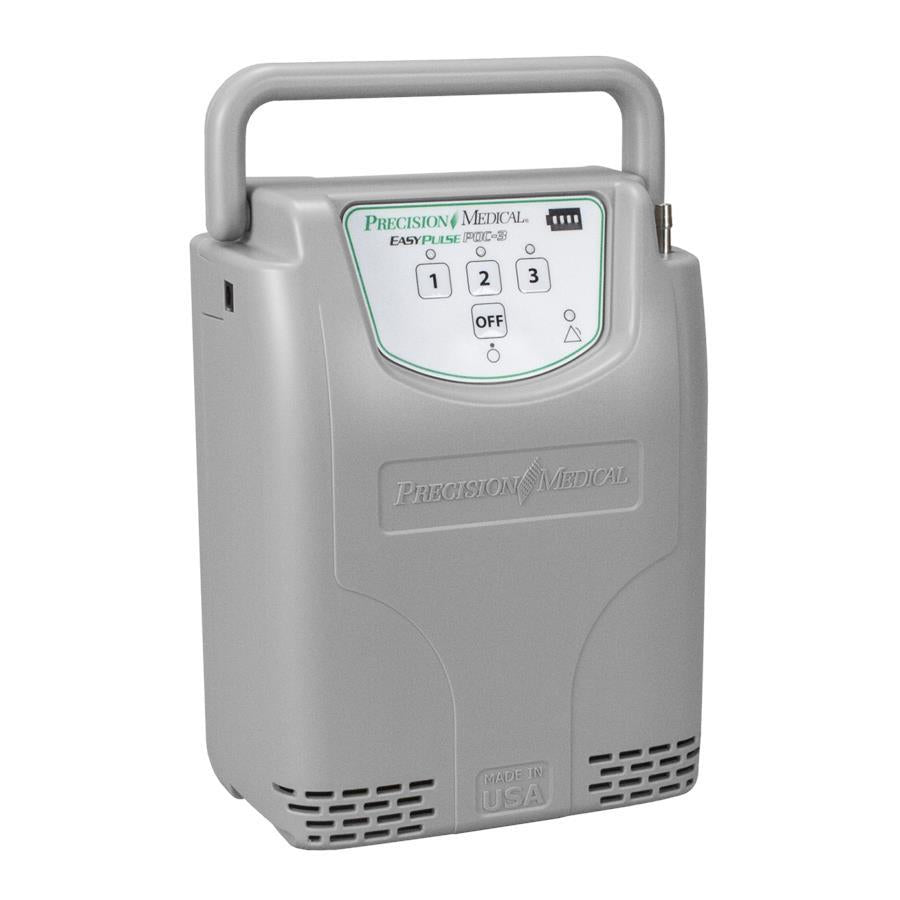
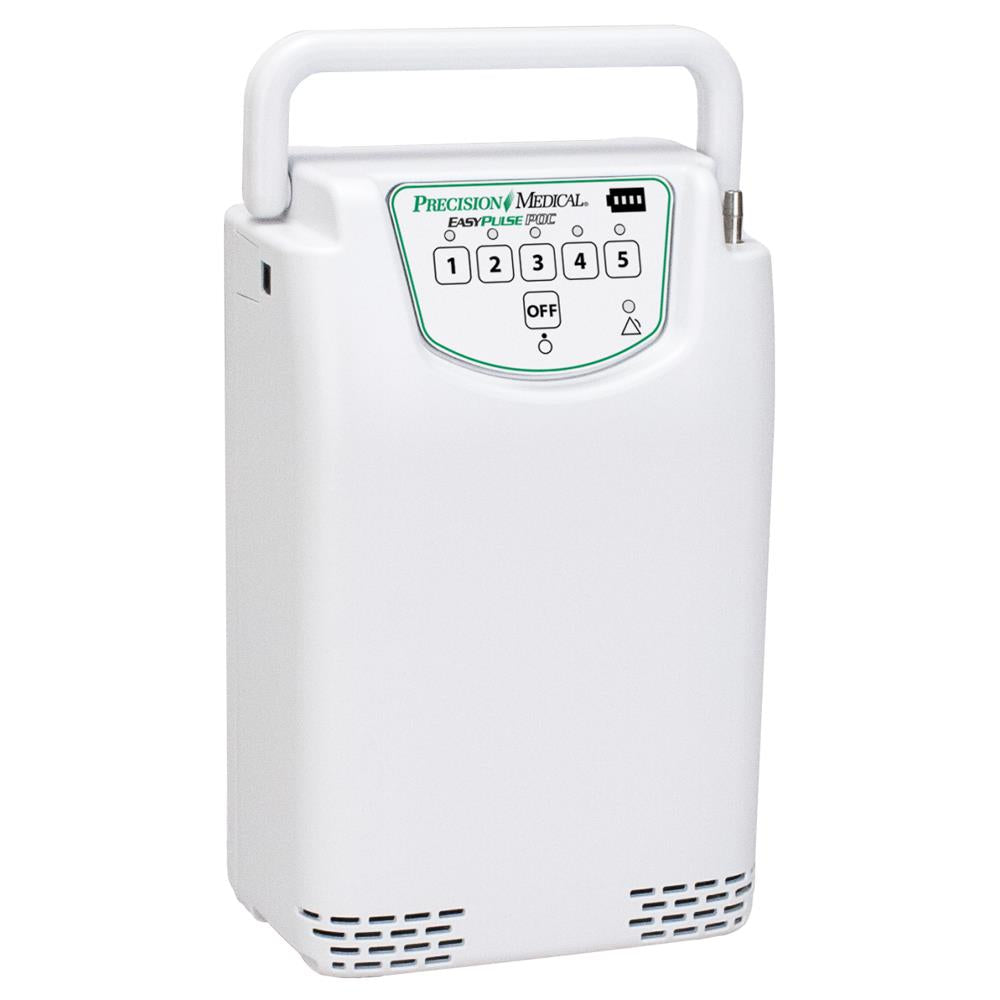
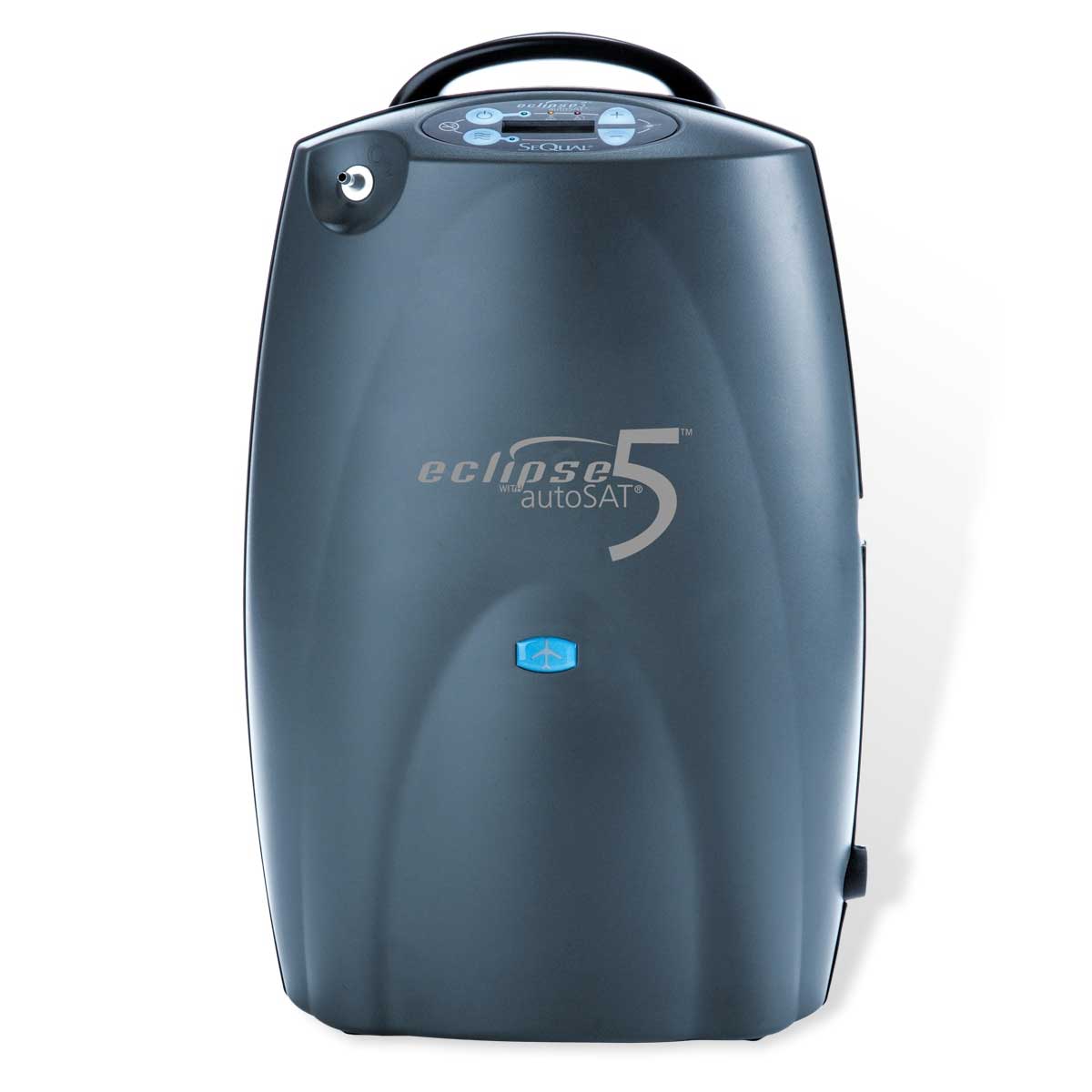
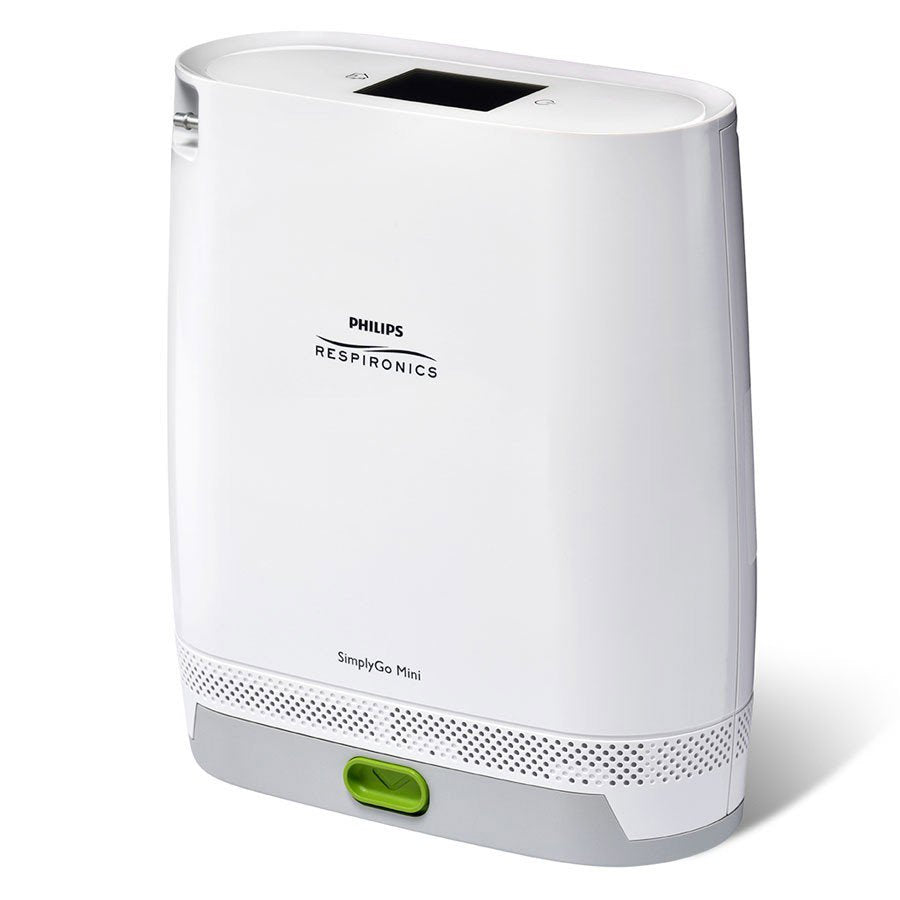
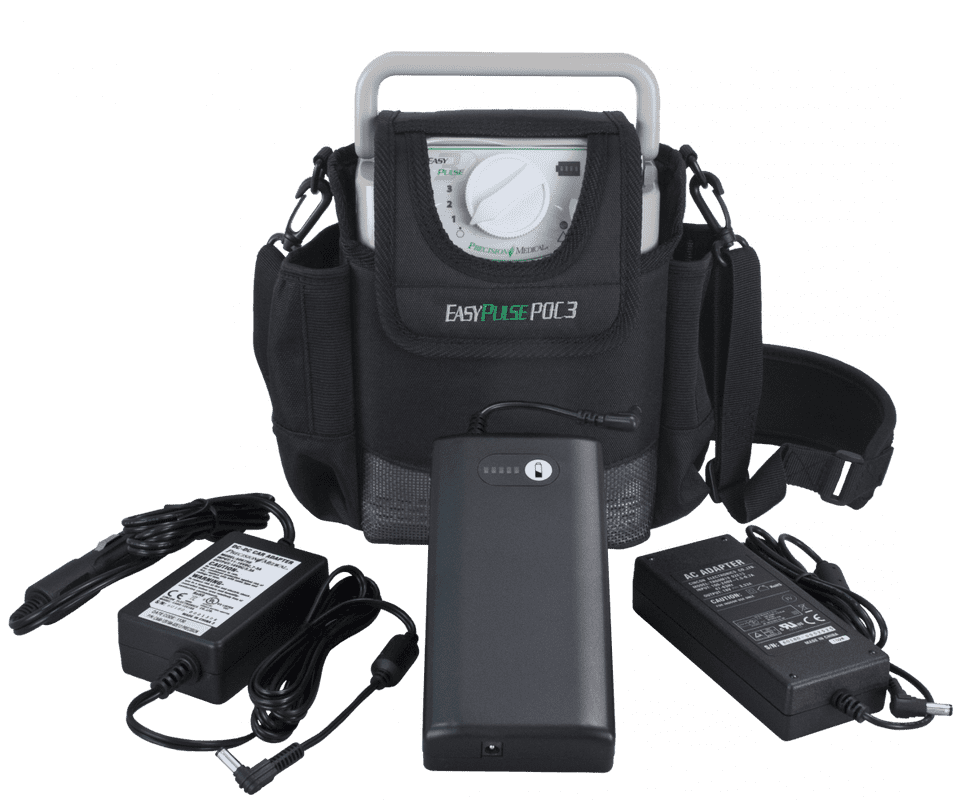
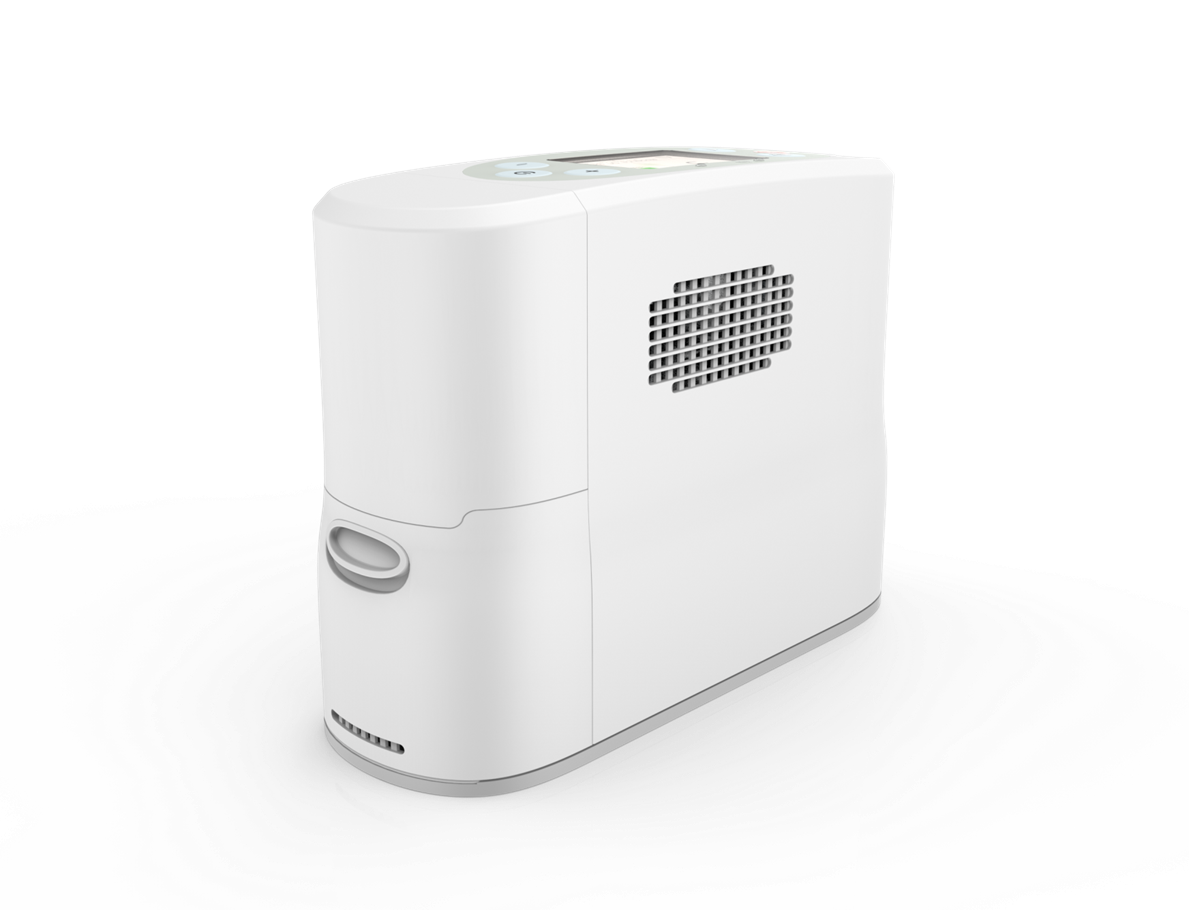
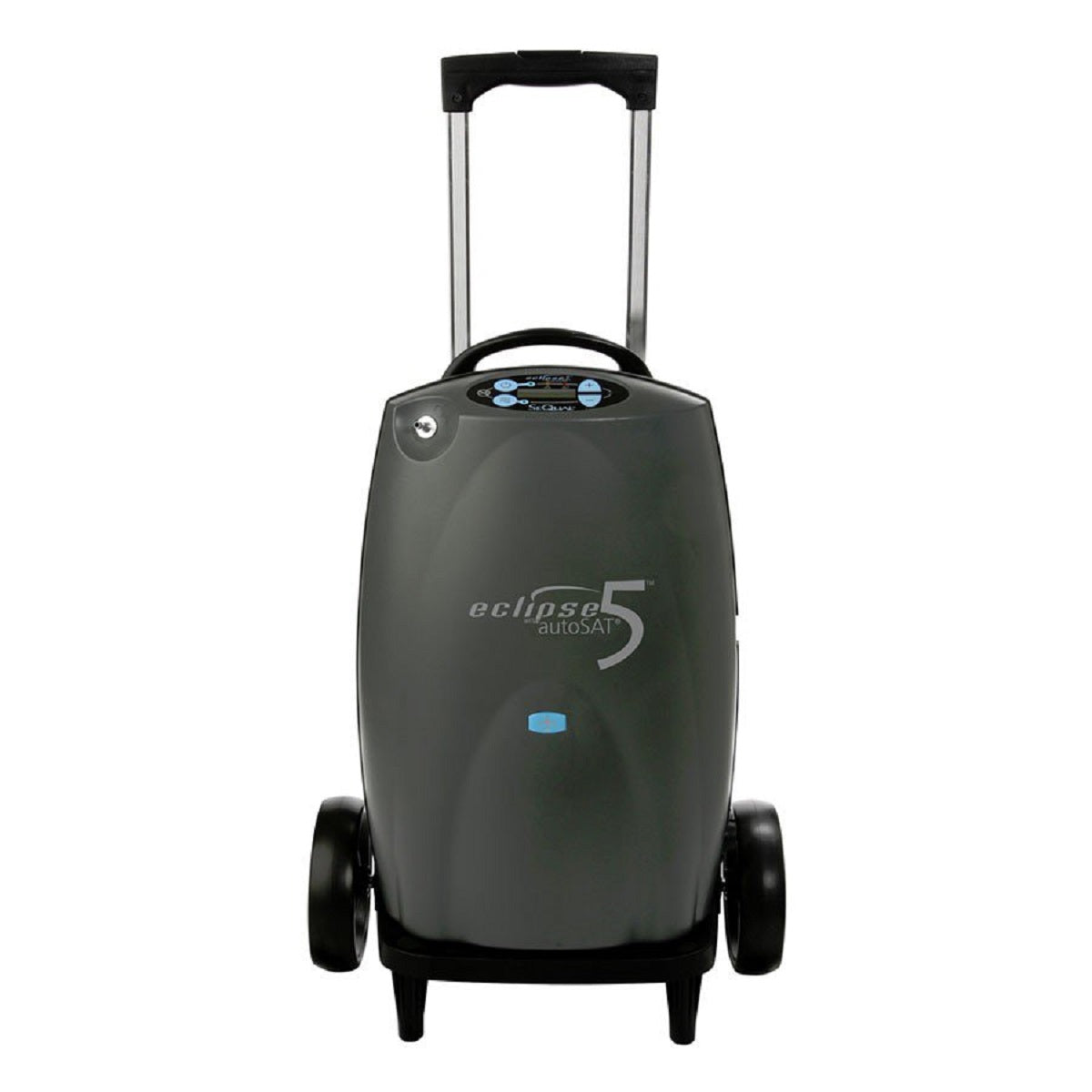
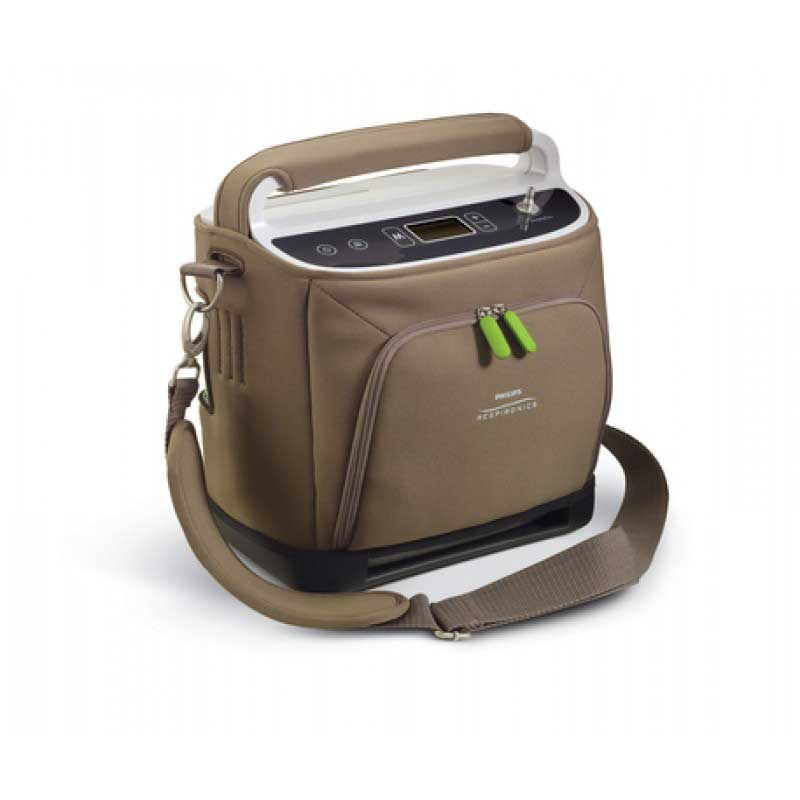
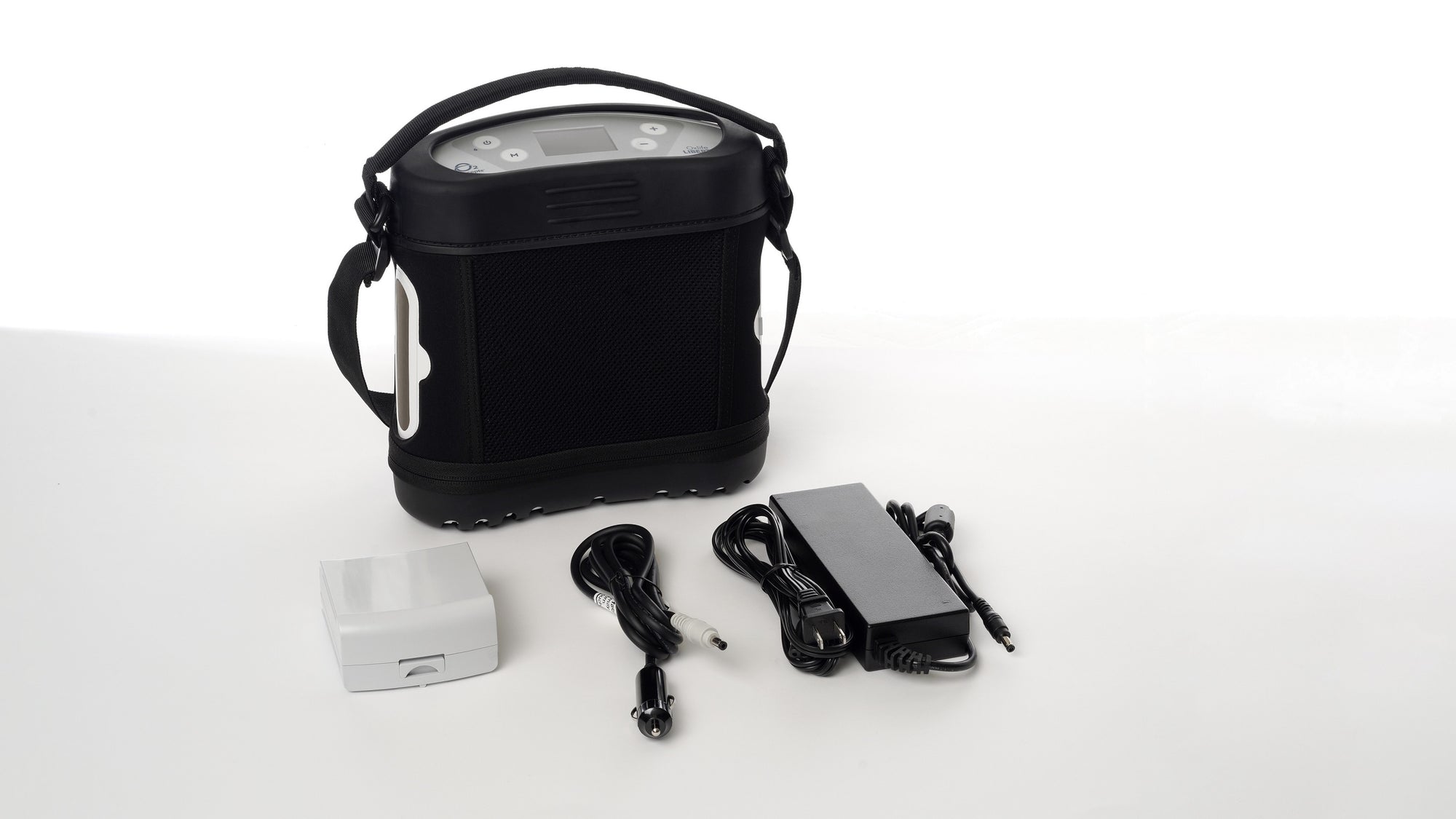
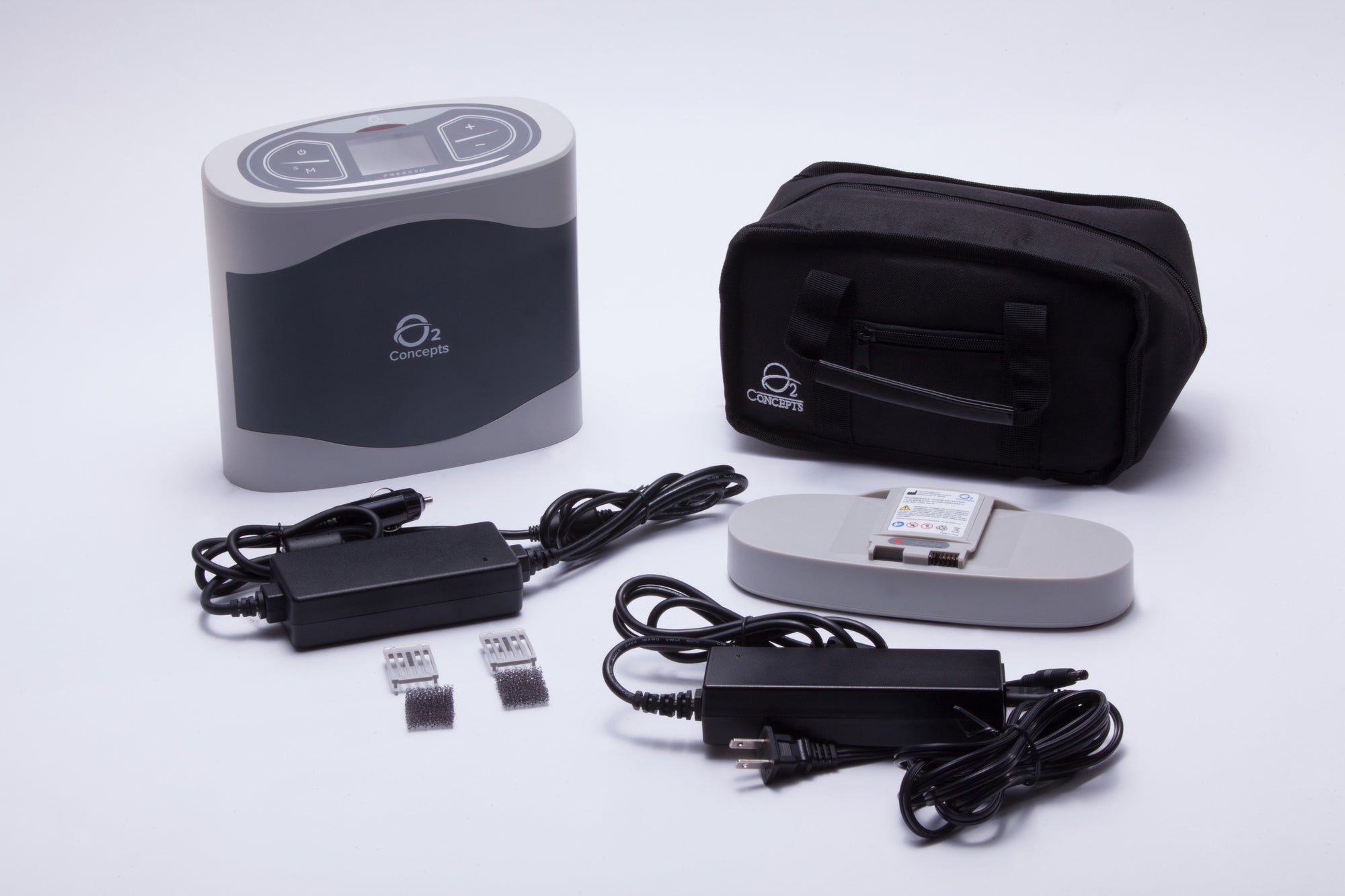
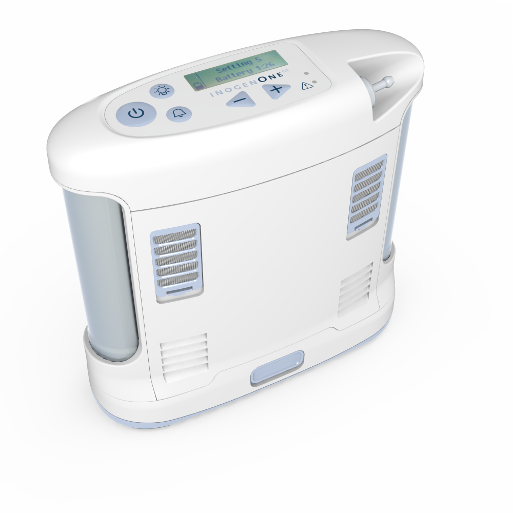
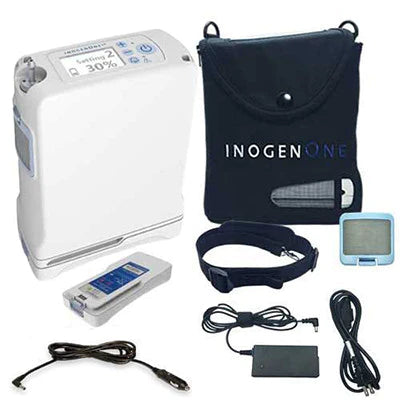
Are you looking for a small battery powered Portable Oxygen concentrator to take on vacation, to the store, or to the movies? Are you tired of monthly rental fees, and you want to purchase your own home Oxygen Concentrator? Maybe you want a second home Oxygen Concentrator as a back up, or you have a rental home you wish to place an Oxygen Concentrator in. Or perhaps you are a hobbyist and need a large high flow Oxygen Concentrator for filling your own oxygen cylinders, aquaculture, or glass bead making....we can help you choose the correct machine based on your needs.
Some units are light weight, starting at 31 pounds, and some of the larger units are about 55 pounds and tend to last a very long time. With just a few questions, our knowledgeable staff can help recommend the best machine for your application!
Our portable Oxygen Concentrators are reconditioned using new OEM parts and start with a 6 month warranty. Our quality rebuilt home Oxygen Concentrators all come with a standard one year warranty.
Make sure to browse our entire website. We offer a complete line of replacement filters for all makes and models, including portable Oxygen Concentrators. If you don't see what you are looking for, feel free to call us at 1-540-797-4993 or email us at OxygenPlusMedical@Gmail.com or even contact us through the TidioChat app at the bottom right of your screen, and a representative will be in touch with you as soon as possible!
With special financing offered upon checkout, with application approval, you can own your own Oxygen Concentrator for a low, low monthly payment. Break the rental company chain. Purchase your own Oxygen Concentrator and enjoy the freedom!


Excellence in Health Care Services since 1993. One stop shopping for home medical oxygen concentrators, C-PAP and Bi-PAP equipment, portable oxygen concentrators, sieve beds, compressors, repairs, parts, and supplies. Service Specialists on Airsep, Drive Devilbiss, Invacare, Respironics, Sequal, Inova Labs, Precision Medical, and more.
OxygenPlus Medical is a global supplier and exporter of new or fully reconditioned, rebuilt, and used Oxygen Concentrator units. We are a major supplier to the Home Medical Equipment industry for replacement HME parts and supplies. Our extensive inventory allows us to ship within 48 hours of order placement.
Our gently used fully reconditioned Oxygen Concentrators and Portable Oxygen Concentrators are in use throughout the world at countless Homecare companies, Hospitals, Dialysis clinics, Nursing homes, Rehabilitation centers, as well as private individuals requiring Oxygen therapy, Ozone, or Hyperbaric applications!
Our competent team of Biomedical Service Specialists are factory trained and certified to work on all equipment including Airsep, Puritan Bennett, Nidek, Sequal, Oxlife, Respironics, Invacare, Devilbiss and more in our new state of the art service facility!
Our stringent quality control and assurance procedures ensure that every piece of equipment MUST hold up to our exclusive warranty.
OxygenPlus is the ONLY company you will find to offer up to a 5 year warranty on all replacement parts and workmanship on our concentrators, compressors, and sieve bed exchanges, when extended warranty is purchased.
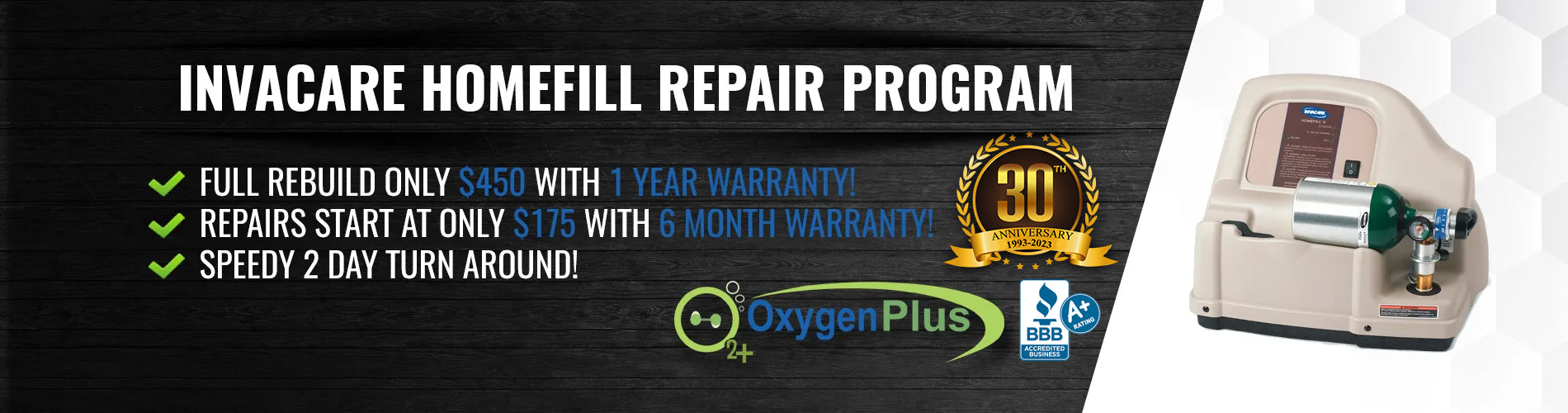
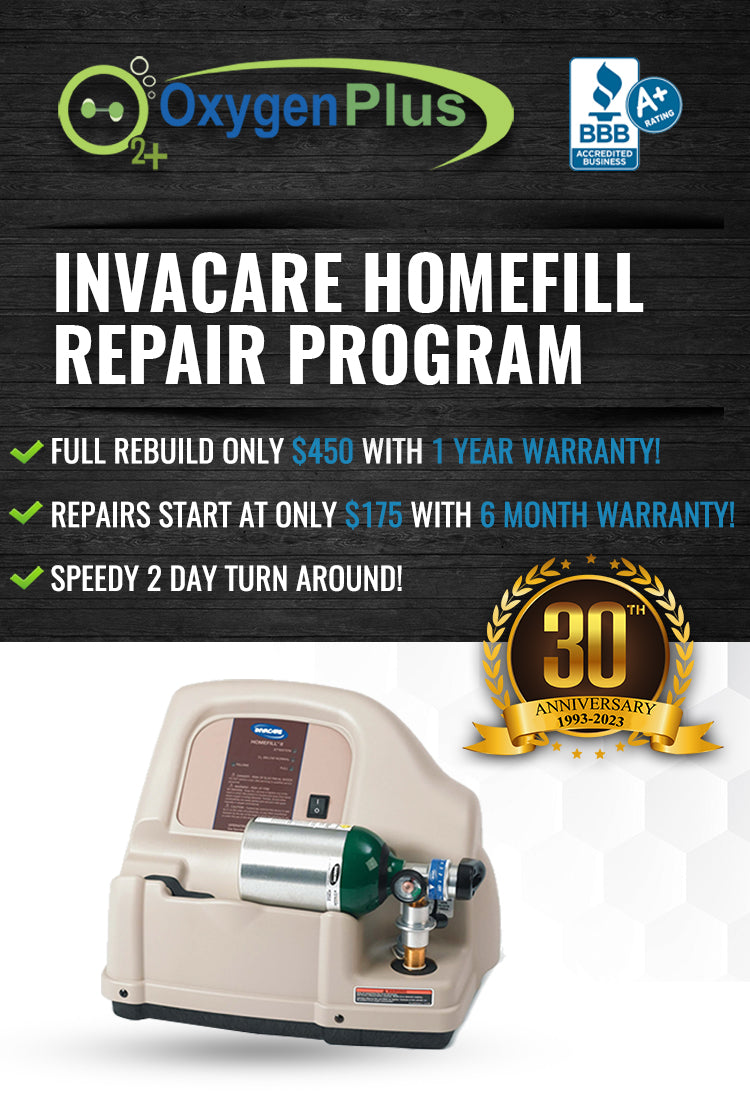
OxygenPlus will recondition your concentrator as well. Prices range between $350 and $550 for a plug in Home concentrator, and includes a 1 year warranty. Portable Concentrator repairs are given individual estimates after a thorough assessment. Return shipping is a small extra charge.